
How to care for dry skin in cold, rainy weather: a simple day and night routine
Tight, flaky skin is very common in cold cities and during the rainy season. We explain why it happens, which shower mistakes to avoid, and a simple day and night routine to care for it.

If you want to know how to care for dry skin in cold weather, the most important thing is to protect its natural barrier: short showers with lukewarm water, gently patting dry, and moisturizer applied to still-damp skin, morning and night. Add simple habits such as wearing clothes that don’t irritate, drinking enough water and using sunscreen even when it’s cloudy. With consistency, these steps help your skin feel more comfortable during the cold or rainy season.
If you live in a cold city or notice your skin getting tight when the rains begin, this guide is for you. We don’t tell you which cream to buy here, but what to do every day so your skin suffers less.
Why cold and changing humidity dry out your skin
Dry skin is skin that has fewer lipids (natural fats) and holds less water than it needs. It feels tight and rough, with fine flaking and sometimes itching.
The outermost layer of the skin works as a skin barrier: a kind of wall made of cells and lipids, such as ceramides, that keeps water from escaping and irritants from getting in. When that barrier weakens, skin loses moisture more easily.
In cold, rainy weather, several factors come together:
- Cold air: it usually holds less moisture and makes it easier for skin to lose water.
- Sudden temperature changes: going from the cold street to indoor spaces or a very hot shower stresses the skin.
- Hotter, longer showers: they’re tempting on cold days, but hot water strips away natural lipids.
- Thick or damp clothing: friction and moisture trapped by the rain can irritate.
- Less thirst: in the cold we tend to drink less water without noticing.
Common shower mistakes that make dryness worse
If you’re wondering “my skin is dry from the cold, what should I do?”, the first place to look is the shower. These are the most common bathing mistakes with dry skin:
- Very hot water: it feels nice, but it weakens the skin barrier. Lukewarm is better.
- Long showers: the longer you stay under the water, the more lipids you lose. Keep them short.
- Harsh or heavily scented soaps: traditional bar soaps and heavily fragranced products can be drying. Look for gentle or cream cleansers.
- Scrubbers and frequent exfoliation: scrubbing hard irritates skin that is already sensitive.
- Rubbing yourself dry: use the towel with gentle pats.
- Waiting too long to moisturize: applying cream minutes later, once your skin is dry, makes less use of the moisture from your shower.
How to care for dry skin in cold weather: a basic day and night routine, step by step
A dry-skin routine for the rainy season doesn’t have to be complicated. What helps most is repeating it every day.
Day routine
- A short shower with lukewarm water and a gentle cleanser, only on the areas that need it.
- Pat dry with a clean towel, leaving your skin slightly damp.
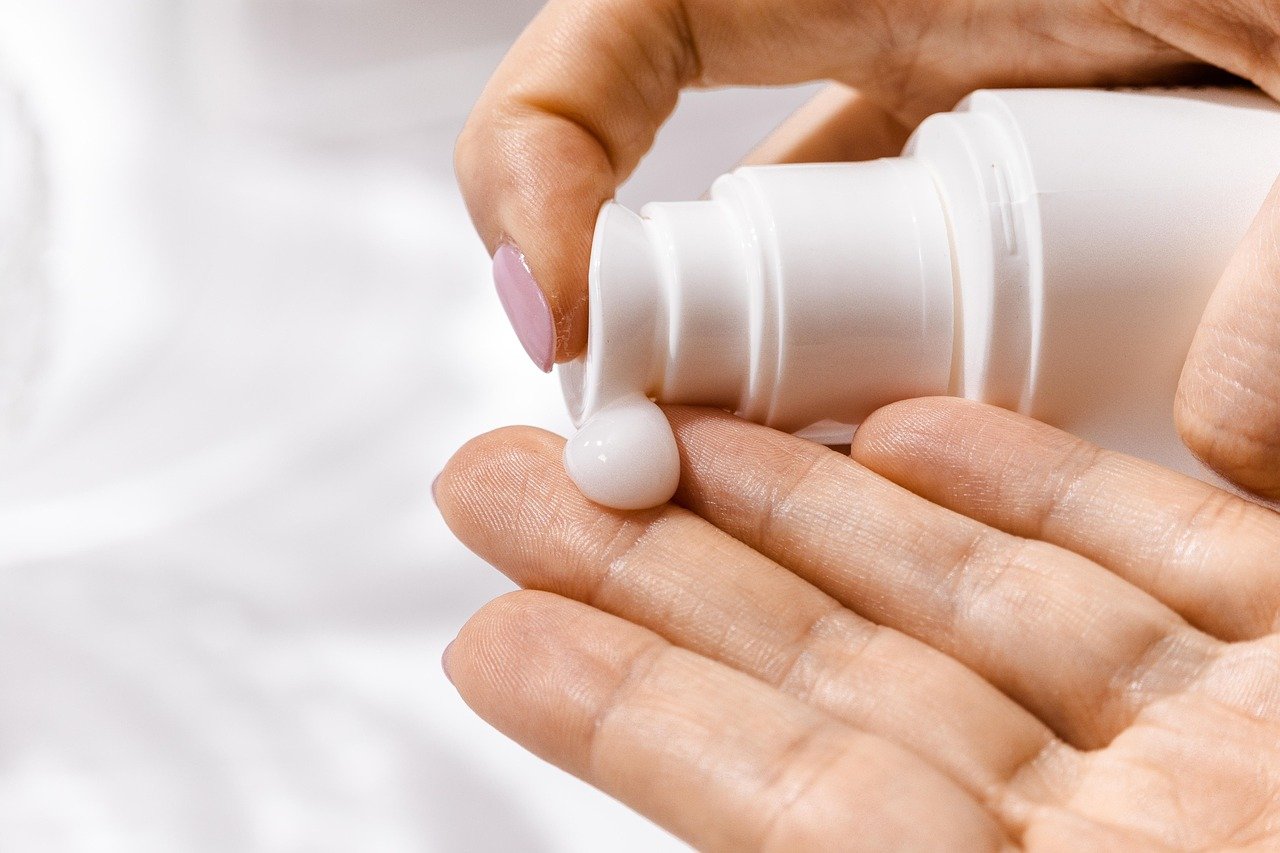
- Apply your body cream within the first few minutes, focusing on legs, arms, elbows and hands.
- On your face, use a moisturizer suited to your skin type.
- Sunscreen on your face, neck and hands, even on gray days.
- Lip balm to prevent chapped lips.
Night routine
- Gently cleanse your face to remove sunscreen, makeup and pollution.
- Moisturize again face and body; nighttime is a good moment for a richer cream.
- Focus on problem areas: hands, elbows, knees and heels tend to get drier.
- Optional: wear cotton socks after moisturizing your feet or cotton gloves after moisturizing your hands.
| When | Priority | What to avoid |
|---|---|---|
| Morning | Moisturize after showering and protect from the sun | Very hot water and going out without sunscreen |
| During the day | Reapply hand cream and lip balm | Washing hands with harsh soaps without moisturizing afterward |
| Night | Cleanse gently and moisturize more generously | Over-exfoliating or going to bed with tight skin |
Ingredients worth looking for in a body cream
When reading labels, these ingredients are good allies for body hydration in cold weather:
- Ceramides: lipids naturally present in the skin; they help strengthen the skin barrier.
- Colloidal oatmeal: very finely ground oatmeal that helps soothe and protect dry or sensitive skin.
- Glycerin: a humectant that draws water into the outer layer of the skin and helps keep it hydrated.
- Hyaluronic acid: another humectant that helps retain moisture.
- Occlusive ingredients (such as petroleum jelly or some butters): they form a layer that helps reduce water loss.
In general, creams and balms tend to work better for dry skin than very light lotions, and fragrance-free formulas are better if your skin is sensitive.
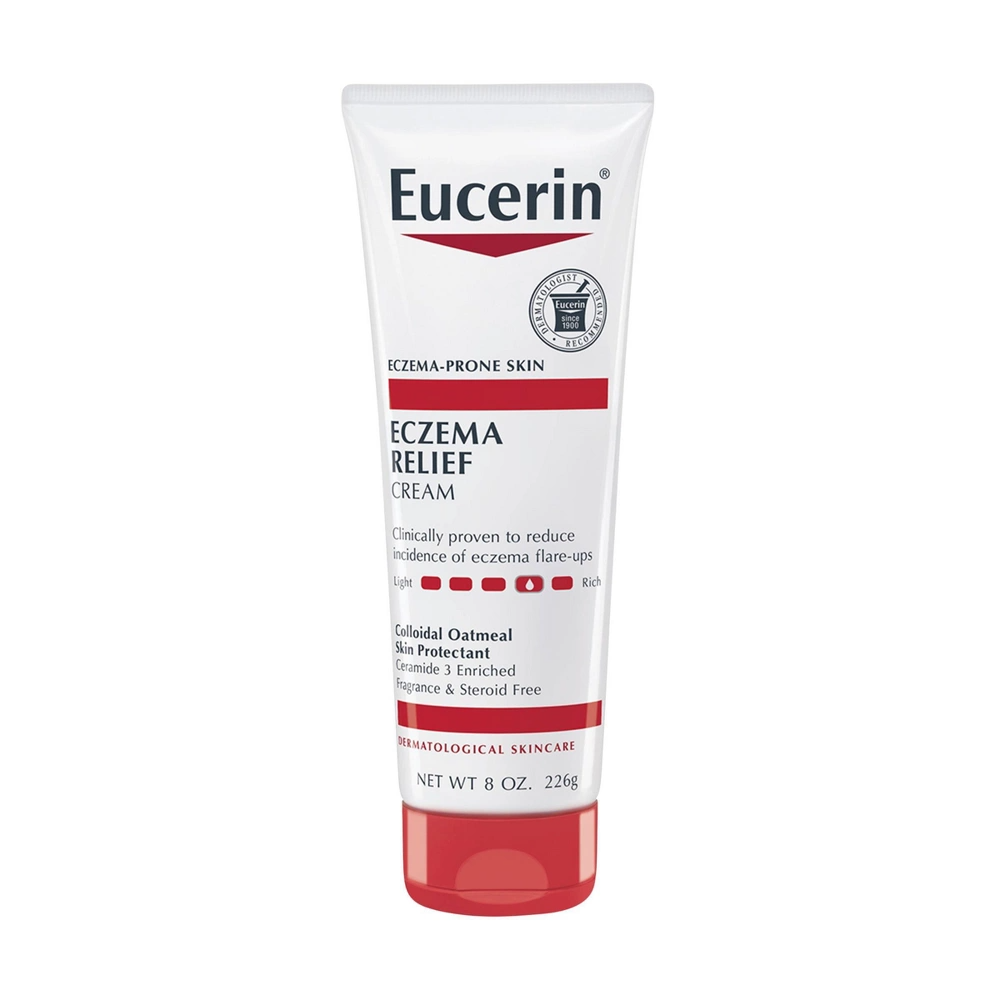
One option is the Eucerin Eczema Relief Body Cream for Eczema and Atopic Skin 226 g , a formula designed for very dry, sensitive skin that combines ingredients such as colloidal oatmeal and ceramides. Its product page shows the contents, ingredients and directions; if you have a diagnosis of dermatitis or eczema, use it as directed by your doctor or dermatologist. If you want to understand why many people prefer these formulas, you may want to read why products from the United States are such good quality.
Habits that help: clothing, hydration, environment and sunscreen even when it’s cloudy
Cream is only one part. These habits make the difference:

- Clothing: wear cotton or other soft fabrics next to your skin. Wool directly on the skin can itch. Change quickly if you get wet in the rain.
- Detergent: a mild one without much fragrance is less likely to irritate.
- Water: even if you’re not thirsty, stay hydrated throughout the day.
- Environment: avoid getting too close to heaters or fireplaces. If the air in your home is very dry, a humidifier can help.
- Hands: carry a small cream with you and apply it after every wash.
- Sunscreen: ultraviolet radiation passes through clouds. Use it every day on exposed areas.
- Don’t scratch: if you itch, apply cream instead of scratching, so you don’t damage your skin.
When to see a dermatologist
Seasonal dryness usually improves with good habits. Even so, see your dermatologist or healthcare professional if:
- Your skin doesn’t improve after a couple of weeks of a consistent routine.
- Cracks, bleeding, intense redness or patches appear.
- The itching keeps you from sleeping or affects your daily life.
- You notice signs of infection, such as warmth, pus or pain.
- It involves babies, children, pregnancy or people with an underlying condition.
A dermatologist can tell you whether it’s simply dry skin or a condition such as atopic dermatitis, and recommend the right care.
Frequently asked questions about dry skin in cold weather
How many times a day should I moisturize dry skin?
At least after every shower and before bed. Hands and lips may need more applications during the day.
Is it better to shower with cold water if I have dry skin?
It doesn’t need to be cold. Lukewarm water and short showers are recommended; very hot water is the most drying.
Do I need sunscreen if it’s raining?
Yes. Some ultraviolet radiation gets through even when it’s cloudy, so it’s best to use it daily on your face, neck and hands.
Can I exfoliate dry skin?
Very sparingly and gently. Exfoliating often or with scrubbers can further irritate dry skin.
Are dry skin and atopic skin the same thing?
No. Dry skin is a skin state; atopic dermatitis is a condition that should be evaluated by a dermatologist, although both share dryness.
Care for your skin with clear information
Caring for dry skin in cold weather is above all a matter of consistent habits and choosing products with ingredients that support the skin barrier. If you want to compare options, browse the catalog of original products from the United States in their original packaging, with complete product pages covering contents, benefits and directions. Looking for a brand you don’t see, or have questions? Contact us through our official channels, ask about availability and shop with confidence.
Note: this content is for information only and does not replace a consultation with a doctor or dermatologist. If you have any questions about your skin, consult your healthcare professional.